Ranked by evidence · 3 products

Best Lion's Mane Nootropic Blend UK for Focus

These products are ranked by what they publicly disclose — not by taste, marketing, or affiliate commission. Updated weekly.

Rankings are based on each brand's overall disclosure score — a measure of how much ingredient, testing, and value information is publicly available. No sponsored placements. No affiliate weighting. Read the full methodology →

Buying Lion's Mane in a Nootropic Blend: what the research says

Lion's Mane (Hericium erinaceus) is the most clinically studied mushroom for cognitive support. Human randomised controlled trials have found improvements in mild cognitive impairment and self-reported focus at doses between 500–3,000 mg per day over 8–16 weeks. The key active compounds — hericenones — are found exclusively in the fruiting body cap, not the mycelium. This distinction matters enormously: many products use mycelium grown on grain substrate, which contains only 5–15% beta-glucan versus 25–40% in quality fruiting body extracts, and virtually no hericenones. If cognitive support is your goal, the source and extract method are at least as important as the brand name on the label.

What to look for

  • 1.Fruiting body as the stated source — not "full spectrum" or mycelium-only products
  • 2.Beta-glucan content declared on the Certificate of Analysis (ideally ≥25%)
  • 3.A serving size of at least 500 mg of extract per day — most clinical benefits start here

What matters in a nootropic blend

  • 01Clinical versus marketing doses: nootropic blends frequently combine 10–15 ingredients. Check whether each ingredient is present at a dose supported by research. Lion's mane at 50 mg in a "cognitive blend" is a label ingredient, not a functional dose — clinical trials use 500–3,000 mg.
  • 02Synergy claims vs. evidence: many nootropic blends claim that ingredients "work synergistically", implying you need less of each. This is rarely supported by specific human trial data for the combination. Evaluate each ingredient's dose independently against its own clinical literature.
  • 03Stimulant transparency: some nootropic blends include caffeine, L-theanine, or other stimulants alongside functional mushrooms and adaptogens. Check the full ingredient list for caffeine equivalents, especially if you are sensitive to stimulants or taking other caffeinated products.

Want to go deeper on the research behind Lion's Mane?

Read the Lion's Mane evidence guide →
#2

Nootropic Blend

Performance Lab Mind

Performance Lab Mind

Claims: Focus

Performance Lab Mind
4.0/10
Limited Disclosure

Performance Lab Mind has not publicly disclosed the key information needed to assess whether this product supports these goals.
per serving £1.97fruiting body
#3

Nootropic Blend

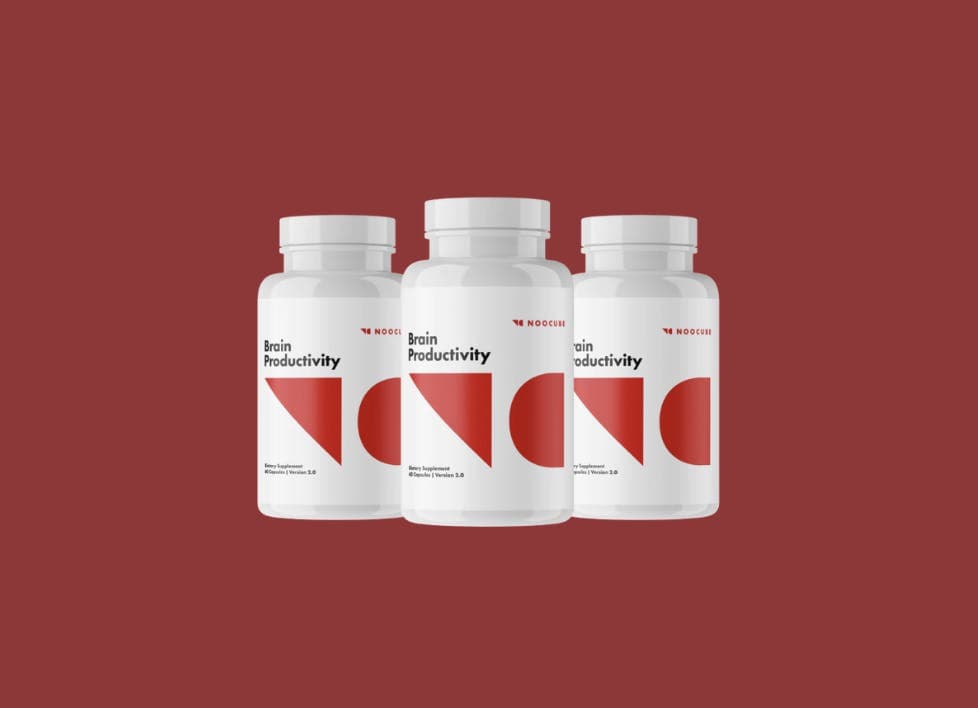
NooCube Brain Productivity

NooCube

Claims: Focus, Energy

NooCube Brain Productivity
1.4/10
Insufficient Data

NooCube has not publicly disclosed the key information needed to assess whether this product supports these goals.

per serving £2.17unspecified

Lion's Mane Nootropic Blend questions answered

How much Lion's Mane should a supplement contain to be effective?+
Human clinical trials showing cognitive benefits have used 500–3,000 mg of Lion's Mane per day, typically over 8–16 weeks. Products delivering less than 500 mg of fruiting body extract per serving are unlikely to reach the threshold seen in research. Check whether the dose stated is extract weight — not a pre-extraction equivalent — and confirm it is from the fruiting body, not mycelium.
What is the difference between Lion's Mane fruiting body and mycelium?+
The fruiting body is the visible mushroom cap and the part traditionally used medicinally. It contains hericenones — the compounds linked to nerve growth factor (NGF) stimulation — which are absent or negligible in the mycelium. Mycelium-on-grain products are also often 40–70% grain starch by weight, significantly diluting beta-glucan content. Quality Lion's Mane supplements specify 'fruiting body' and declare a beta-glucan percentage (ideally ≥25%).
Is Lion's Mane safe to take every day?+
Lion's Mane has a strong safety profile in human trials at doses up to 3,000 mg per day for periods of up to 16 weeks with no serious adverse events reported. Mild digestive discomfort has been noted in some participants at higher doses. As with any supplement, consult a GP if you are pregnant, breastfeeding, immunocompromised, or taking prescription medication — particularly anticoagulants, as some mushroom extracts have mild blood-thinning properties.

Information on this platform relates to nutritional composition and public disclosure practices only. It is not medical advice. No claims are made about the therapeutic efficacy, safety, or suitability of any product. Always consult a qualified healthcare professional before taking any supplement.