8.0/10
Well Documented
β-glucan 400mgfruiting body£49.00
Research context
Most Chaga research is preclinical (cell and animal models), with limited human trial data. Where human studies exist, they focus on antioxidant capacity and immune marker modulation.
Chaga (Inonotus obliquus) is a fungus that grows predominantly on birch trees across cold northern climates, including Siberia, Canada, and Scandinavia. Unlike most mushrooms, chaga does not produce a conventional fruiting body. It grows as a hard, irregular mass called a sclerotium, with a charcoal-black exterior and a rust-orange interior.
Chaga has a long history of traditional use in Russia and northern Europe, where it was brewed as a tea and used in folk medicine for centuries. Siberian communities are particularly associated with this tradition, though similar uses appear across Nordic and East Asian cultures.
In modern supplement markets, chaga is sold as a powdered extract, in capsule form, and as an ingredient in functional mushroom blends and coffee alternatives. It is classified as a medicinal fungus rather than a culinary mushroom. Research interest has grown substantially over the past two decades, though most published studies remain at the preclinical stage. Cogniscore evaluates chaga products on the completeness of what brands publicly disclose about their formulations.
Chaga contains several bioactive compound classes that researchers have focused on when studying the fungus. The most significant are beta-glucans, betulinic acid, inotodiol, ergosterol peroxide, melanins, polyphenols, and superoxide dismutase.
Beta-glucans are structural polysaccharides found in the cell walls of fungi. They are the compound class most commonly cited in mushroom supplement research, and Cogniscore looks for disclosed beta-glucan percentages as a core quality indicator. Betulinic acid is a triterpenoid that chaga absorbs from its birch tree host. Inotodiol and ergosterol peroxide are further triterpenoid-type compounds found specifically in Inonotus obliquus. Melanins give chaga its distinctive dark colour and are not common in most other edible fungi. Polyphenols are plant-derived antioxidant compounds also present in chaga. Superoxide dismutase is an enzyme with antioxidant activity that research has examined in chaga extracts.
Cogniscore looks for these compounds on product labels and certificates of analysis because their presence, and the percentage disclosed, reflects the quality of extraction and the potential potency of the product. A product that discloses no beta-glucan content gives consumers far less information than one that does.
Chaga has been studied extensively for its antioxidant properties, particularly in relation to its high melanin and polyphenol content. Laboratory studies have examined how chaga extracts interact with free radicals and oxidative stress markers in cell models. Debnath et al. (2012) looked specifically at antioxidant activity in Inonotus obliquus extracts using in vitro methods. The majority of this research has used cell-based assays rather than human clinical trials, which limits how far findings can be applied to real-world supplement use.
Research has examined chaga in relation to immune system markers, with studies looking at how beta-glucans and other polysaccharide fractions interact with immune cells in laboratory and animal settings. Géry et al. (2018) reviewed the published evidence on chaga across multiple biological areas, including immune-related research. Human trial data in this area remains limited. Most published work uses in vitro or animal models, which means the clinical relevance to human supplementation has not been established in the same way as for some better-researched ingredients.
The published research on chaga spans several decades, but the evidence base is weighted heavily towards preclinical work. Human randomised controlled trials are scarce. The studies below represent the types of research that have been conducted on this ingredient.
Debnath et al. (2012), BMC Complementary and Alternative Medicine. This study examined the antioxidant activity of Inonotus obliquus extracts using in vitro cell and chemical assays. Researchers measured free radical scavenging capacity across different extract preparations. The study did not involve human participants and used laboratory-prepared extracts rather than commercial supplement doses. In vitro findings cannot be directly applied to what happens in the human body after supplementation. This type of study is useful for understanding compound behaviour but does not establish clinical efficacy.
Géry et al. (2018), Phytotherapy Research. This was a narrative review of published research on chaga as a potential medicinal fungus. The authors examined existing literature across several areas of investigation, including antioxidant, immune-related, and other biological research. Review articles are useful for mapping the evidence landscape, but they do not produce original clinical data. The authors noted that most published research at the time remained preclinical. This review is frequently cited in supplement literature but does not itself constitute clinical trial evidence.
Animal model studies on polysaccharide fractions. Several research groups have examined chaga-derived polysaccharides in rodent models, typically using oral doses that would translate to ranges broadly comparable to the 1,000mg to 3,000mg per day range studied in supplement contexts. These studies have looked at immune cell activity and oxidative stress markers. Animal models provide mechanistic insights but are not equivalent to human trial evidence. Species differences and controlled laboratory conditions mean findings may not translate directly.
General limitations across the evidence base. The dose range most commonly referenced in supplement contexts, between 1,000mg and 3,000mg of extract per day, is drawn largely from preclinical literature. No large-scale human RCTs have established an optimal dose, duration, or extract specification for chaga in healthy populations. Researchers and regulators have not established a clinically validated dose. Buyers should treat dose comparisons as a transparency indicator rather than a measure of proven efficacy.
Cogniscore scores chaga products on the completeness of their public disclosure, not on any claim about what the product does. Dose per serving is assessed against the range used in published preclinical research, which spans 1,000mg to 3,000mg of extract per day. Products disclosing doses below this range, or that do not specify a dose at all, score lower on transparency. Extract type also matters: dual extracts or standardised extracts are more precisely defined than whole powders, and products that specify extraction method score higher than those that do not.
Source type (fruiting body, mycelium, or unspecified) is a scored variable because it affects which compound classes are likely to be present and in what concentrations. Beta-glucan percentage is one of the most important disclosed figures Cogniscore looks for. A product that states its beta-glucan content allows consumers to compare formulations in a meaningful way. One that does not disclose this figure provides less information. Third-party certificates of analysis add further transparency and are factored into the score. See the full Cogniscore methodology for a complete breakdown of how each variable is weighted.
Ranked by Cogniscore — highest disclosure scores first. Scores reflect what brands publicly disclose, not product quality or efficacy.
DIRTEA
Affiliate link — we may earn a commission if you purchase via this page.
Plant People
Affiliate link — we may earn a commission if you purchase via this page.
Host Defense
Affiliate link — we may earn a commission if you purchase via this page.
Everyday Dose
Affiliate link — we may earn a commission if you purchase via this page.
Erbology
Affiliate link — we may earn a commission if you purchase via this page.
Auri Nutrition
Affiliate link — we may earn a commission if you purchase via this page.
Chaga is included in supplements that have been studied for antioxidant activity and immune support. It is sold as a standalone powder or capsule, and as an ingredient in functional mushroom blends and coffee alternatives. Research on chaga remains largely preclinical, meaning most published studies have used cell or animal models rather than human trials.
Published research on chaga has used a broad range, with doses of 1,000mg to 3,000mg of extract per day appearing most frequently in the literature. However, most of this research is preclinical. No human RCT has established a definitive optimal dose for any specific health outcome. Products disclosing a dose within this range are providing more information than those that do not specify a dose at all.
Long-term safety data from human clinical trials is limited. Some sources note that chaga contains oxalates, which may be a consideration for people with kidney conditions. Chaga may also interact with blood-thinning medications, as some preclinical research has examined its effect on platelet activity. Always consult a qualified healthcare professional before starting any supplement, including chaga.
Chaga is unusual among medicinal fungi because its usable part is the sclerotium, a dense mass that forms on the tree, rather than a conventional fruiting body or mycelium. Products labelled as "fruiting body" for chaga typically refer to this sclerotium. Mycelium-based chaga products are grown on a substrate in a laboratory setting. The compound profiles of sclerotium and mycelium preparations differ, and Cogniscore treats source type as a relevant disclosure variable.
Beta-glucans are polysaccharides found in fungal cell walls. The percentage stated on a label indicates how much of the product's content is made up of these compounds. A higher disclosed percentage generally suggests a more concentrated extract. Products that do not disclose a beta-glucan percentage give buyers less information about what they are taking. Cogniscore scores beta-glucan disclosure as a key transparency variable.
No. Cogniscore scores reflect how completely a brand publicly discloses information about its formulation. A higher score means more transparency, not greater efficacy. A product with a lower score may have limited disclosure without this reflecting on its quality. Cogniscore does not make claims about whether any product produces health effects.
There is no clinically established duration for chaga supplementation in humans. Most preclinical studies have used defined treatment periods in controlled settings that do not translate directly to consumer supplement use. Duration guidance from supplement brands is not based on human clinical trial data. A healthcare professional is the appropriate person to advise on this.
Look for products that disclose their dose per serving, extraction method, source type, and beta-glucan percentage. A third-party certificate of analysis (COA) adds further confidence that the label reflects what is in the product. Products with limited disclosure make it harder to compare formulations in a meaningful way. Cogniscore scores products on exactly these variables to help consumers make a more informed purchase decision.
Ranked by Cogniscore — highest disclosure scores first. Scores reflect what brands publicly disclose, not product quality or efficacy.


Host Defense has not publicly disclosed the key information needed to assess whether this product supports these goals.
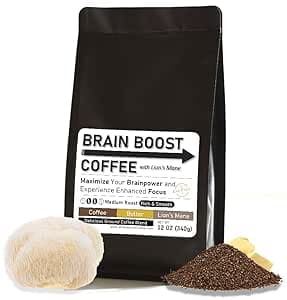
Everyday Dose has not publicly disclosed the key information needed to assess whether this product supports these goals.

Auri Nutrition has not publicly disclosed the key information needed to assess whether this product supports these goals.

Four Sigmatic has not publicly disclosed the key information needed to assess whether this product supports these goals.
Ranked lists for each product type containing Chaga.
This platform is independent and is not affiliated with, endorsed by, or sponsored by any brand listed. Scores reflect publicly disclosed information — not product quality, safety, or efficacy. Read the full methodology →
Information on this platform relates to nutritional composition and public disclosure practices only. It is not medical advice. No claims are made about the therapeutic efficacy, safety, or suitability of any product. Always consult a qualified healthcare professional before taking any supplement.