#1Top Pick

8.0/10
Well Documented
β-glucan 400mgfruiting body£49.00
Rankings are based on each brand's overall disclosure score — a measure of how much ingredient, testing, and value information is publicly available. No sponsored placements. No affiliate weighting. Read the full methodology →
Lion's Mane (Hericium erinaceus) is the most clinically studied mushroom for cognitive support. Human randomised controlled trials have found improvements in mild cognitive impairment and self-reported focus at doses between 500–3,000 mg per day over 8–16 weeks. The key active compounds — hericenones — are found exclusively in the fruiting body cap, not the mycelium. This distinction matters enormously: many products use mycelium grown on grain substrate, which contains only 5–15% beta-glucan versus 25–40% in quality fruiting body extracts, and virtually no hericenones. If cognitive support is your goal, the source and extract method are at least as important as the brand name on the label.
What to look for
Want to go deeper on the research behind Lion's Mane?
Read the Lion's Mane evidence guide →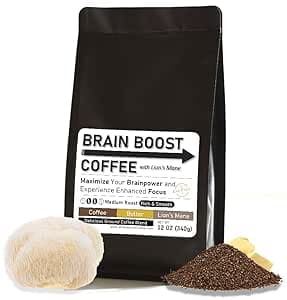
Everyday Dose has not publicly disclosed the key information needed to assess whether this product supports these goals.

Balance Coffee has not publicly disclosed the key information needed to assess whether this product supports these goals.

Four Sigmatic has not publicly disclosed the key information needed to assess whether this product supports these goals.

Healthy Yeti has not publicly disclosed the key information needed to assess whether this product supports these goals.
No Ordinary Moments has not publicly disclosed the key information needed to assess whether this product supports these goals.

RYZE has not publicly disclosed the key information needed to assess whether this product supports these goals.
Bioflow has not publicly disclosed the key information needed to assess whether this product supports these goals.
Pardasa has not publicly disclosed the key information needed to assess whether this product supports these goals.

Exhale has not publicly disclosed the key information needed to assess whether this product supports these goals.

Alice Mushrooms has not publicly disclosed the key information needed to assess whether this product supports these goals.

London Nootropics has not publicly disclosed the key information needed to assess whether this product supports these goals.
Information on this platform relates to nutritional composition and public disclosure practices only. It is not medical advice. No claims are made about the therapeutic efficacy, safety, or suitability of any product. Always consult a qualified healthcare professional before taking any supplement.